 Physical therapists are experts in dealing with injuries, but your PT can't help if they don't know about your injury! You might be wondering who would keep an injury secret. The answer is lots of people! The first thing that comes to your mind might be an athlete, like a football player, or maybe a baseball pitcher. But athletes aren't the only ones that keep injury secrets. Performers like dancers keep injury secrets, and so do workers in all types of jobs. Why would anyone want to keep their injury secret instead of getting it treated and letting it heal? Read on… Stigma Although there have been big improvements in the culture around sports, performing arts, and worker's comp, some people still have the old "no pain, no gain" attitude. To some people, reporting an injury is an act of weakness, or a way of letting the team down. There can also be external pressure from coaches, parents, teammates, supervisors, or fans to keep playing or working. Fear of Loss With the focus on head injuries in recent years, athletes that get hit in the head know if they report concussion symptoms, they're coming out of the game. Workers who get hurt on the job fear loss of pay, or loss of their job. Performers who get hurt might fear that their replacement will outshine them on the stage and take their place. Competitive Advantage While the first two reasons can apply to athletes, performers, workers and most any other group that might be hiding an injury, this one is limited to athletes. If an opposing team knows a player is injured, and what the injury is, they might be able to take advantage of it. For example, if a football team has a running quarterback that has an ankle injury, it will change how the opposing defense plays. These reasons all make some sense, but they're also all shortsighted. Finishing a game, dancing tomorrow night, or working one more shift are never worth your long term health. Hiding a minor injury can turn it into a major one. It's never weak to report an injury and you're not letting your teammates, or coworkers down. If you're not up to your best, you owe it to the people counting on you to let them know. Letting a healthy player, performer, or worker take your place is the right thing to do. If you're injured, don't hide it! Let the right people know, then go to the right person for help - your physical therapist! 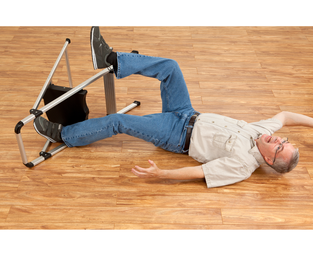
0 Comments
 COVID has certainly made the importance of health very clear and we have all seen how quickly things can change with an illness. While COVID is currently front and center in most people's thoughts, it isn't the only thing out there that can change your life. Heart disease, diabetes, strokes and cancer can all be devastating too.
Movement offers a defense If you're looking to be more resilient and defend against these things, physical activity can do it. The dangers of being sedentary are well known and documented in the research. Excessive sitting and sedentary time have even been called the new smoking. For many of us, sitting and being inactive is part of our jobs. However, research has shown that getting in enough movement can counteract the negative effects of being sedentary. A large study done in the U.K. found no association between the amount of time people spent sedentary and their chances of illness. But the authors didn't conclude that being sedentary is OK. Instead, they felt their findings were likely "attributable to a protective effect of the high volumes of daily walking." The study was conducted in London, where people tend to spend much more time walking or standing than average. The people in the study had daily walking times that were over double the average amount reported in the U.K. Physical Therapists Are Unequaled Experts in Human Movement While walking was the activity in this particular study, other research has shown that all kinds of movement can help protect your health. If you're looking to get those protective benefits for yourself you could choose to walk, bike, lift weights, dance or garden. If you're not moving as much or as well as you'd like, see your physical therapist. We are the most qualified professionals on the planet to help you move better and allow you to stay healthy and enjoy life. From designing a program to get you started or moving more, to helping you recover from an injury, your PT is the right person to look to for help. |
Archives
May 2024
Categories
All
|

- HOME
- About Us
-
Our Services
- Physical Therapy Evaluation
- Post Operative Care
- Neck & Back Pain, Joint Sprains & Strains
- PWR! Parkinson Wellness Recovery
- Vertigo, Balance Retraining & Vestibular Rehab
- TMJ, Headaches, Face Pain
- Lymphedema and CDT
- Sports Injuries
- General Conditioning - Post Covid Strengthening
- Functional Dry Needling
- Workers Comp & Work Conditioning
- Auto Accidents
- Augmented Soft Tissue Manipulation (ASTYM)
- Fall Prevention
- Testimonials
- Careers
- Contact Us
- MIMPT Blog
 RSS Feed
ADDRESS:52900 Garfield Rd
|
|